6
mins
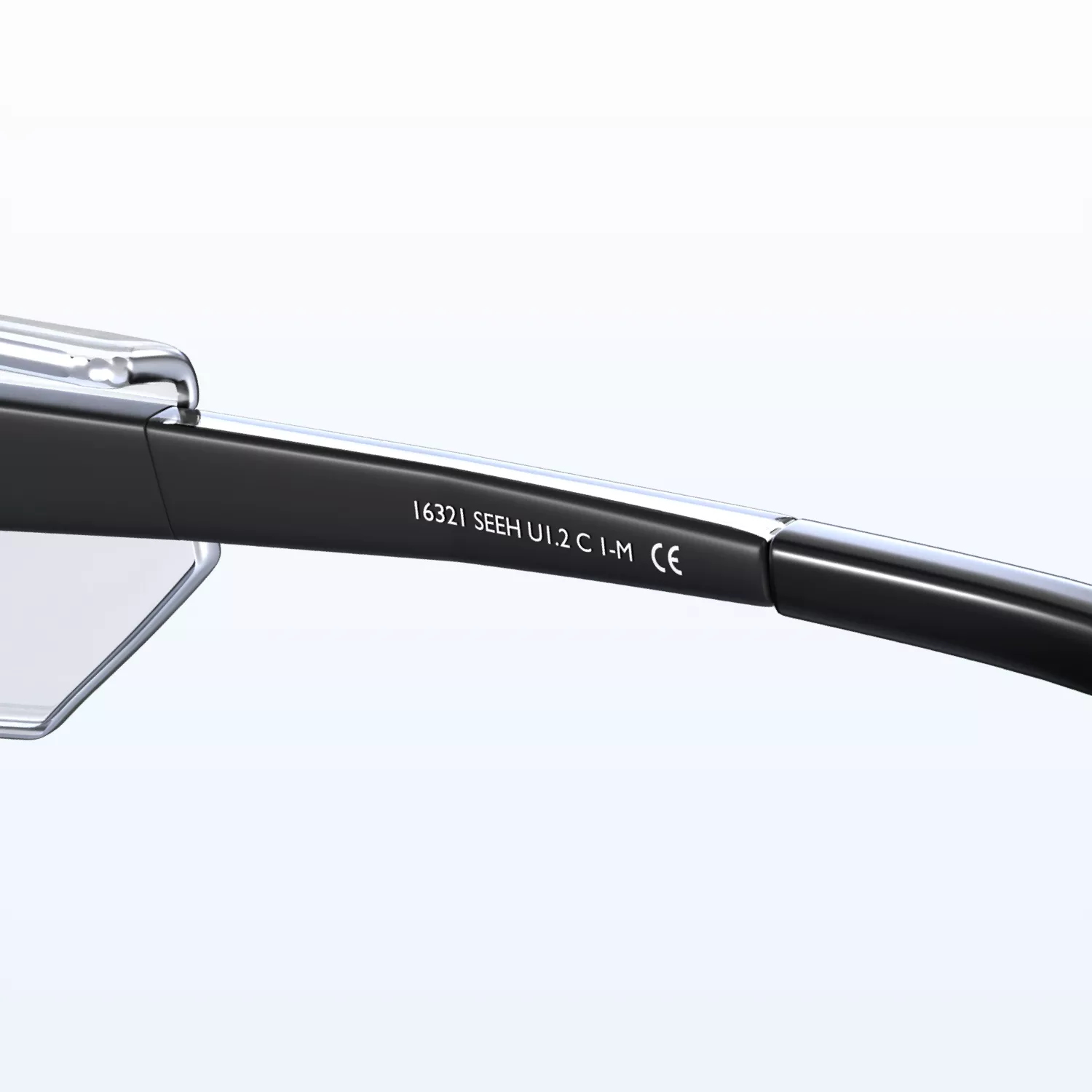


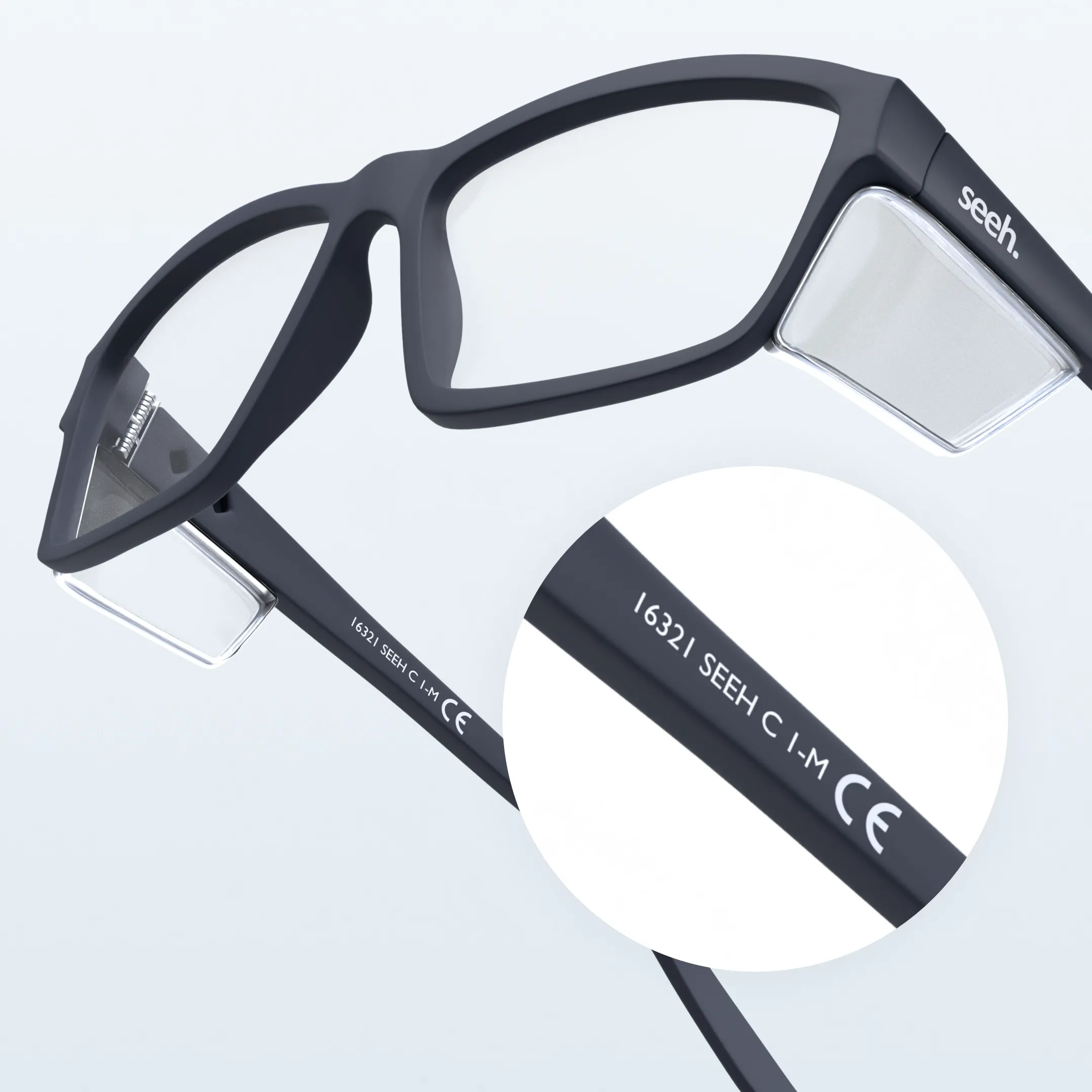
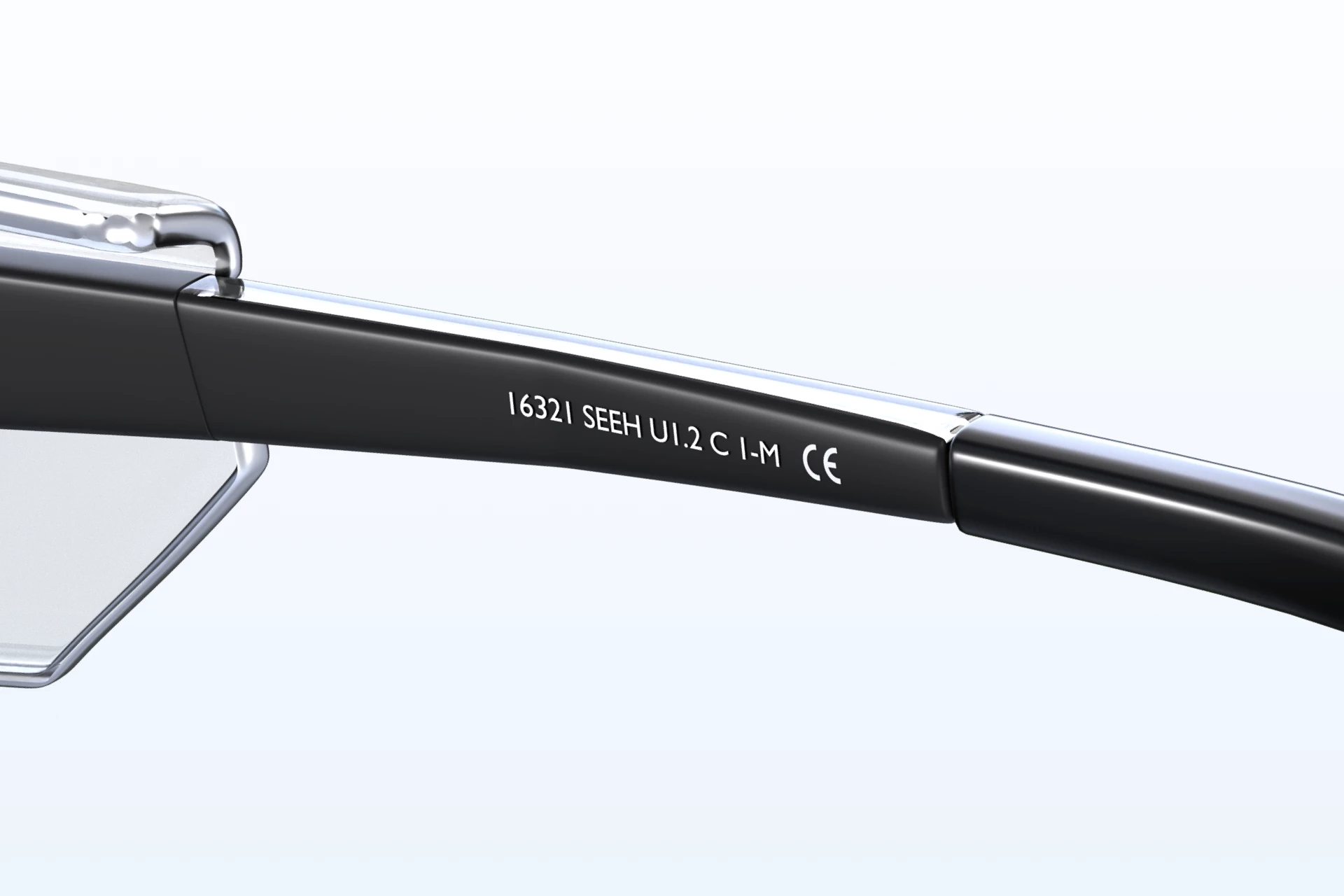
From November 1, 2025, there will be one new global standard for prescription safety glasses: EN ISO 16321-1:2022. This standard has been developed to harmonize not only European standards, but also global safety requirements for eye protection. With stricter tests and requirements, the EN ISO 16321-1:2022 standard replaces several older standards, including the EN 166. In this article, we explain what the new standard means, why it was introduced and how it affects companies.
The EN ISO 16321-1:2022 standard is a global standard created in response to the demand for uniform, high safety requirements for eye protection. By using international test methods and definitions, such as those in the ISO 18526 series, this standard aims to create globally recognized levels of safety. This is not only intended to improve safety, but also to simplify international trade in eye protection products, as products are now easier to accept in different countries.

In Europe, there is a transition period to give producers time to adapt their products to the new EN ISO 16321-1:2022 standard. Although the standard will officially take effect in 2024, safety glasses can still be certified under the older EN 166 standard until November 2025. This extension, established in paragraph 12 of the standard and approved by the European Commission, is specifically intended to give manufacturers sufficient time to bring their designs and production processes in line with the new requirements of the EN ISO 16321-1:2022 standard.
With the introduction of EN ISO 16321-1:2022, several obsolete standards are being replaced. This standard now covers all eye protection requirements and thus replaces the following standards:
By replacing all these standards, NEN-EN-ISO 16321-1 offers a more integrated and comprehensive standard for all types of safety glasses and eye protection.
The EN ISO 16321-1:2022 standard requires a larger protective surface area of safety glasses than the old EN 166. This extension provides better coverage for the eyes and face, which is particularly important in working environments where employees are at risk of impact from flying particles.
The impact tests are enhanced in this standard and tested according to ISO 18526-3:2020, looking at resistance to fast-moving particles at different angles and speeds. This offers more security for sectors such as construction and metalworking, where flying particles are a major risk.
In addition to impact tests, the standard includes stricter requirements for scratch resistance and durability at extreme temperatures. This ensures that the lenses of the safety glasses last longer without loss of quality, even when used intensively or in high-temperature environments.
The standard requires high optical clarity and correction to minimize visual distortion, even during prolonged use. There are also additional requirements for light transmission and UV protection, which is particularly important when working outdoors and working with artificial UV sources.
An important goal of the NEN-EN-ISO 16321-1 standard is to provide a globally recognized standard. By using international ISO standards, it complies with World Trade Organization (WTO) guidelines and meets the requirements of both European and international markets. This means it's easier for companies around the world to meet the required safety standards, no matter where the glasses are used.
The EN ISO 16321-1:2022 standard was introduced in 2021 as a new international standard for eye protection. This standard was officially introduced in Europe in 2024, replacing the older EN 166 standard. To give companies time to adapt, there is a transition period: until November 2025, safety glasses can still be certified under the EN 166 standard. After this date, all new safety glasses must comply with the EN ISO 16321-1:2022 standard to be certified. However, glasses that are already certified under EN 166 remain valid until the end of their five-year certification period.

The introduction of the EN ISO 16321-1:2022 standard is an important step in improving eye safety in the workplace. Although this standard introduces new and stricter requirements, the transition period until the end of 2025 offers companies the opportunity to gradually switch. By investing in safety glasses that meet these new requirements, companies contribute to a safe and legally compliant work environment.
Do you have any questions about the new standards or our collection? Then don't hesitate to contact to contact our service team. They are ready to answer all your questions every working day.

EN 166 certificates are valid for five years from the date of certification. In addition, companies can still certify eyewear under the EN 166 standard until November 2025. See all of our frames with these standards.
No, existing EN 166 certified glasses remain valid and can still be used until their certificates expire. However, new glasses are better certified under NEN-EN-ISO 16321-1 to comply with the latest safety standards.
The new standard places extra emphasis on UV protection, scratch resistance, optical quality and comfort, providing better protection and comfort in a wider range of working environments.
Article by
With more than 20 years of experience, Seeh is your partner in eye and hearing protection. Together with Hans Anders, we easily help companies in the Netherlands and Belgium find customized eye and hearing protection. With our solutions, you ensure that your employees can always work safely and comfortably.
Deel dit artikel met je collega's


.svg)