
A full face mask only works if it fits properly. Seeh supplies full face mask glasses that are specially tailored to your mask and strength. This ensures optimal comfort and a clear view at all times.








Ordinary glasses often don't fit well under a full face mask. The legs or frame interfere with the seal, causing the mask to leak. This limits the comfort of wearing and ensures that the mask no longer does its job.
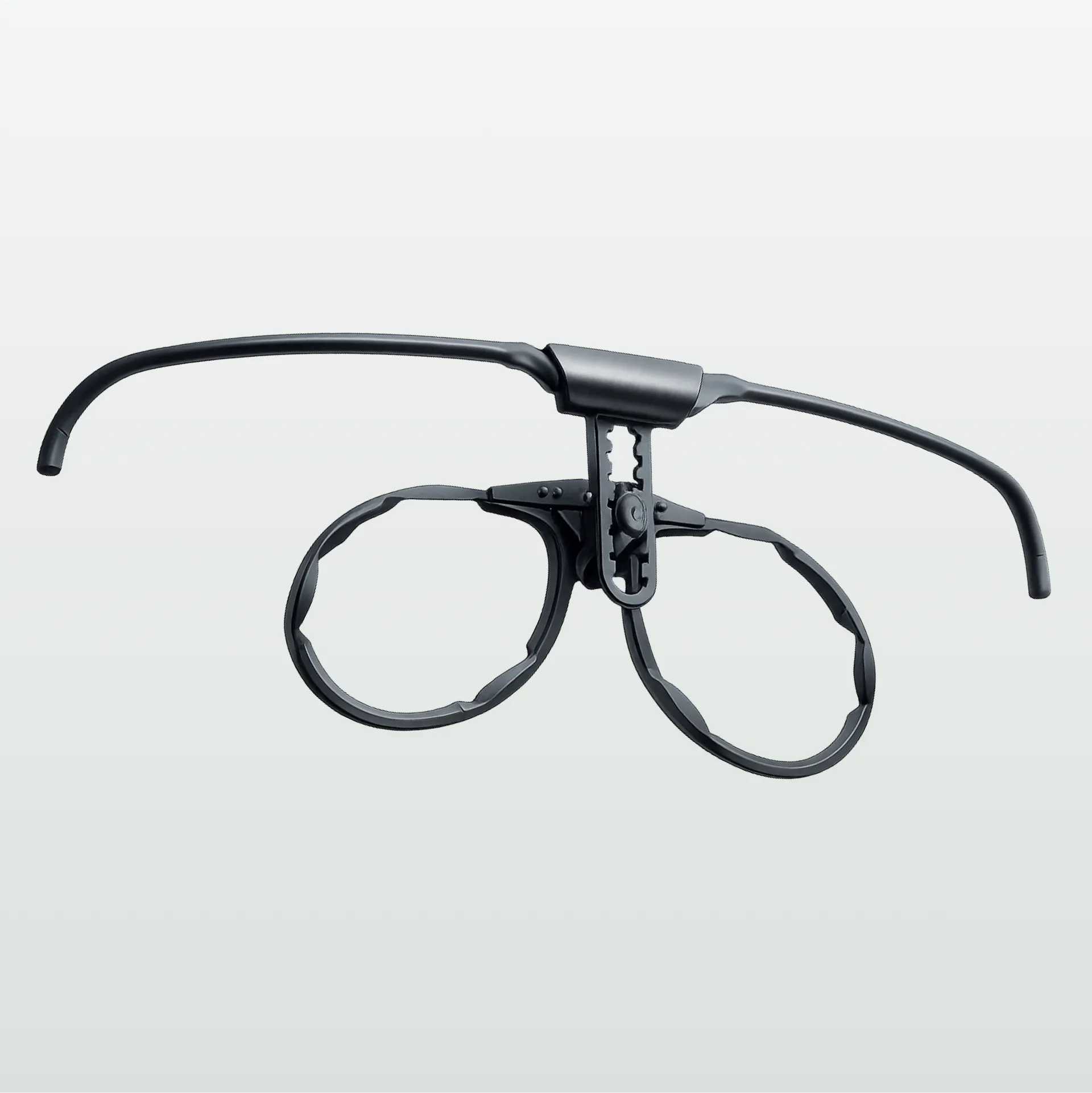
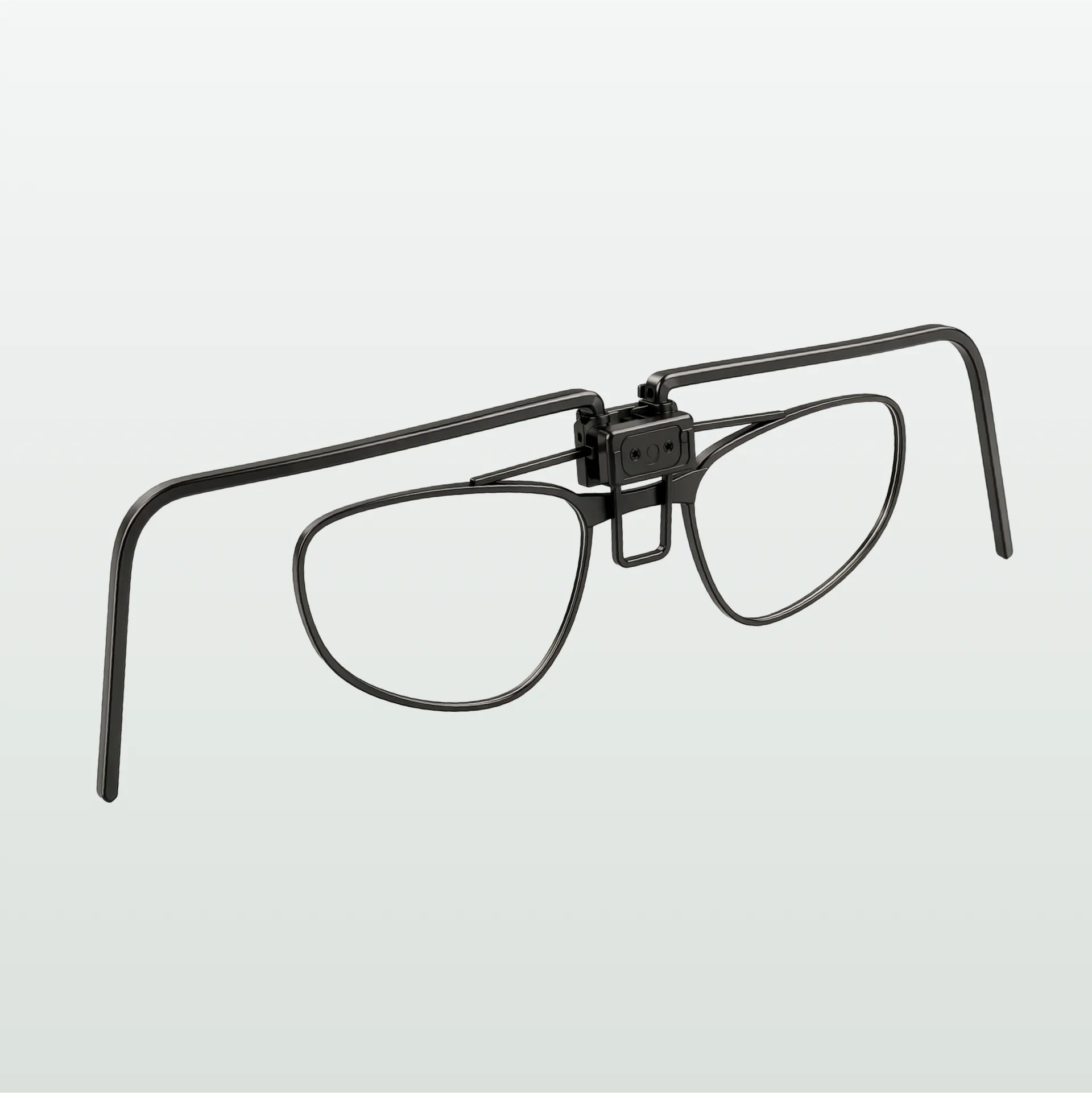
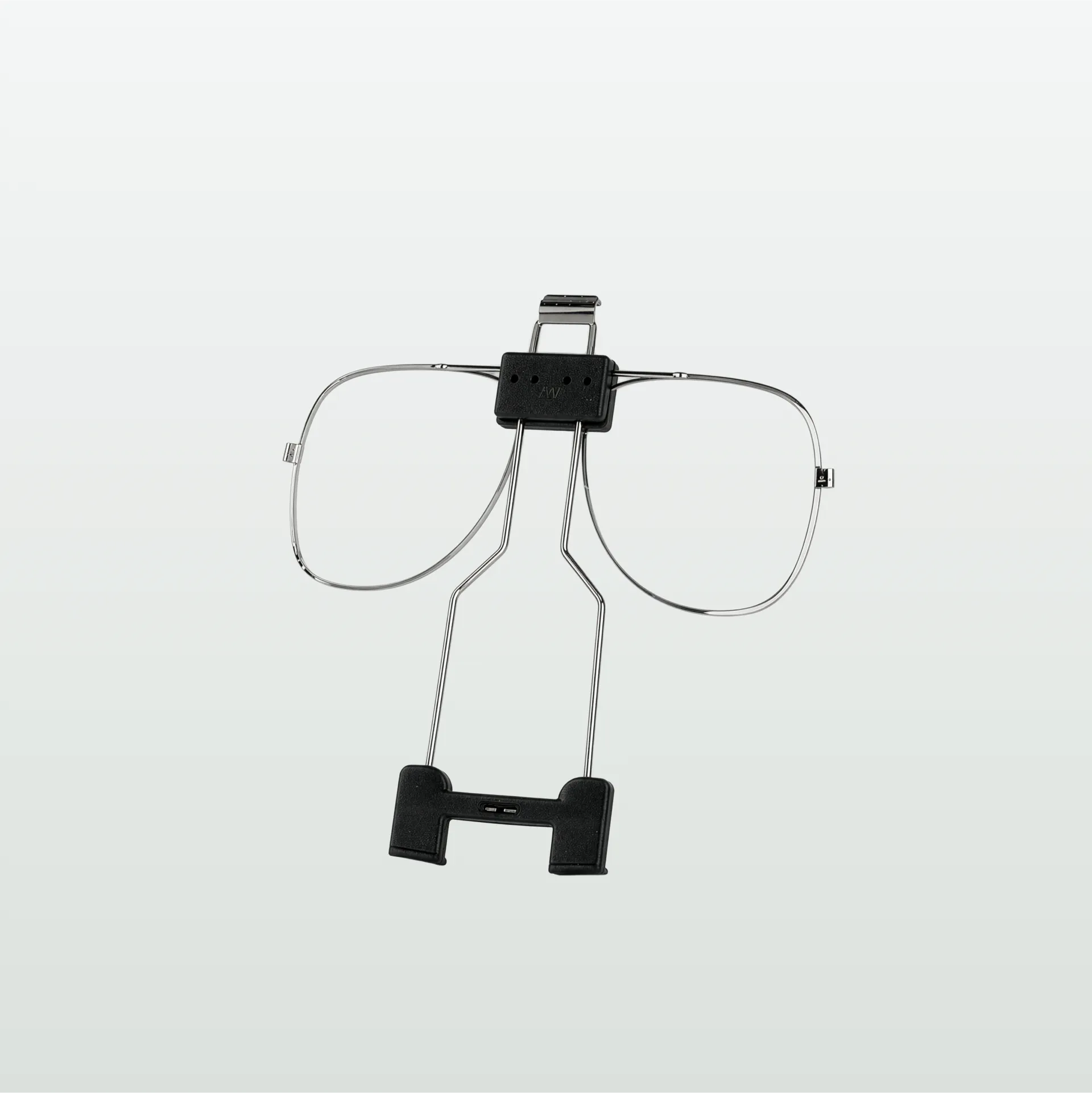
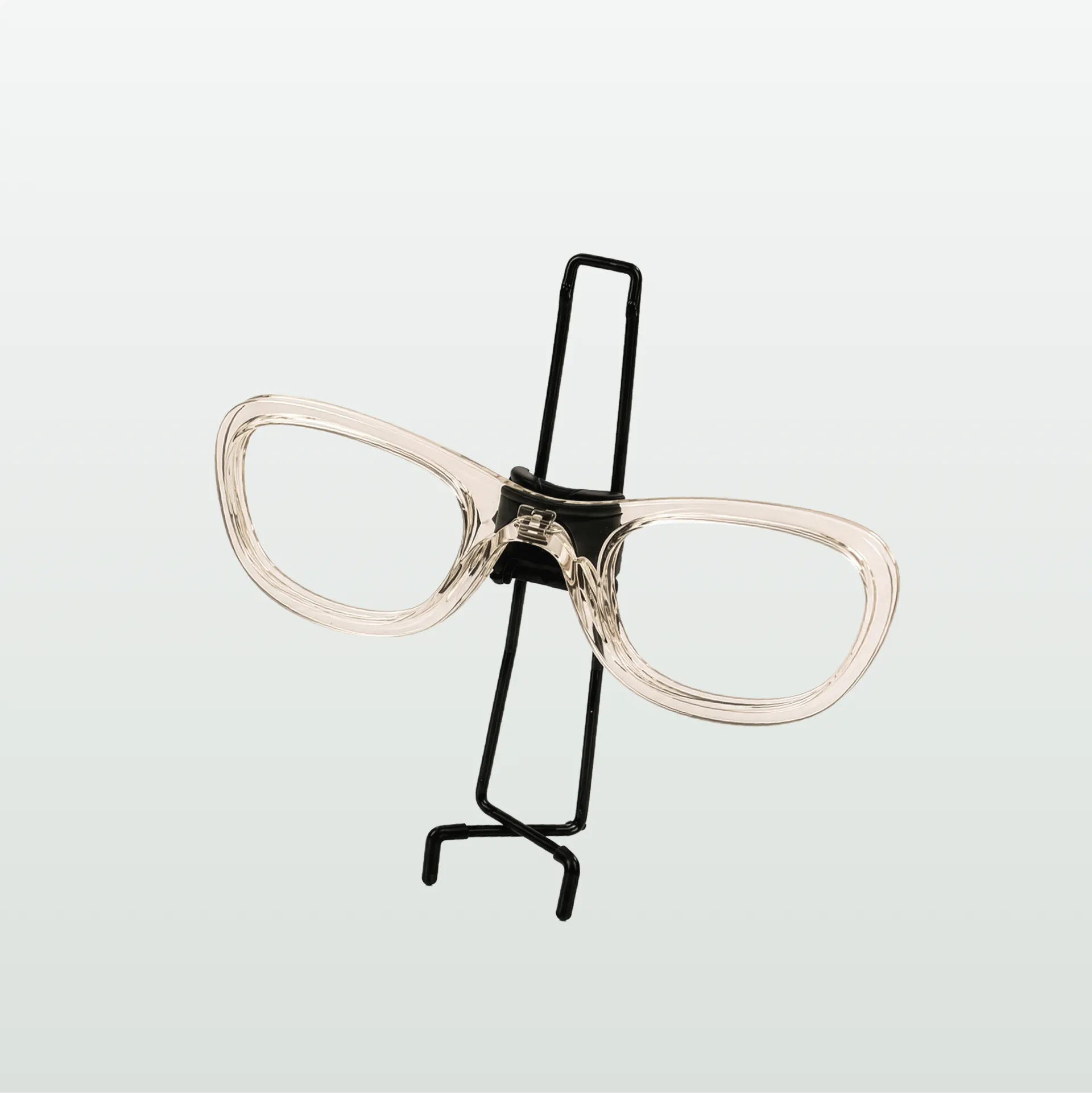
The solution to this problem is a prescription mask goggles. Mask goggles are an insert that is attached inside a full face mask. This way, the mask closes properly and the strength correction is always correct. Want to know more about prescription mask goggles? Then request a business account or contact one of our specialists directly.
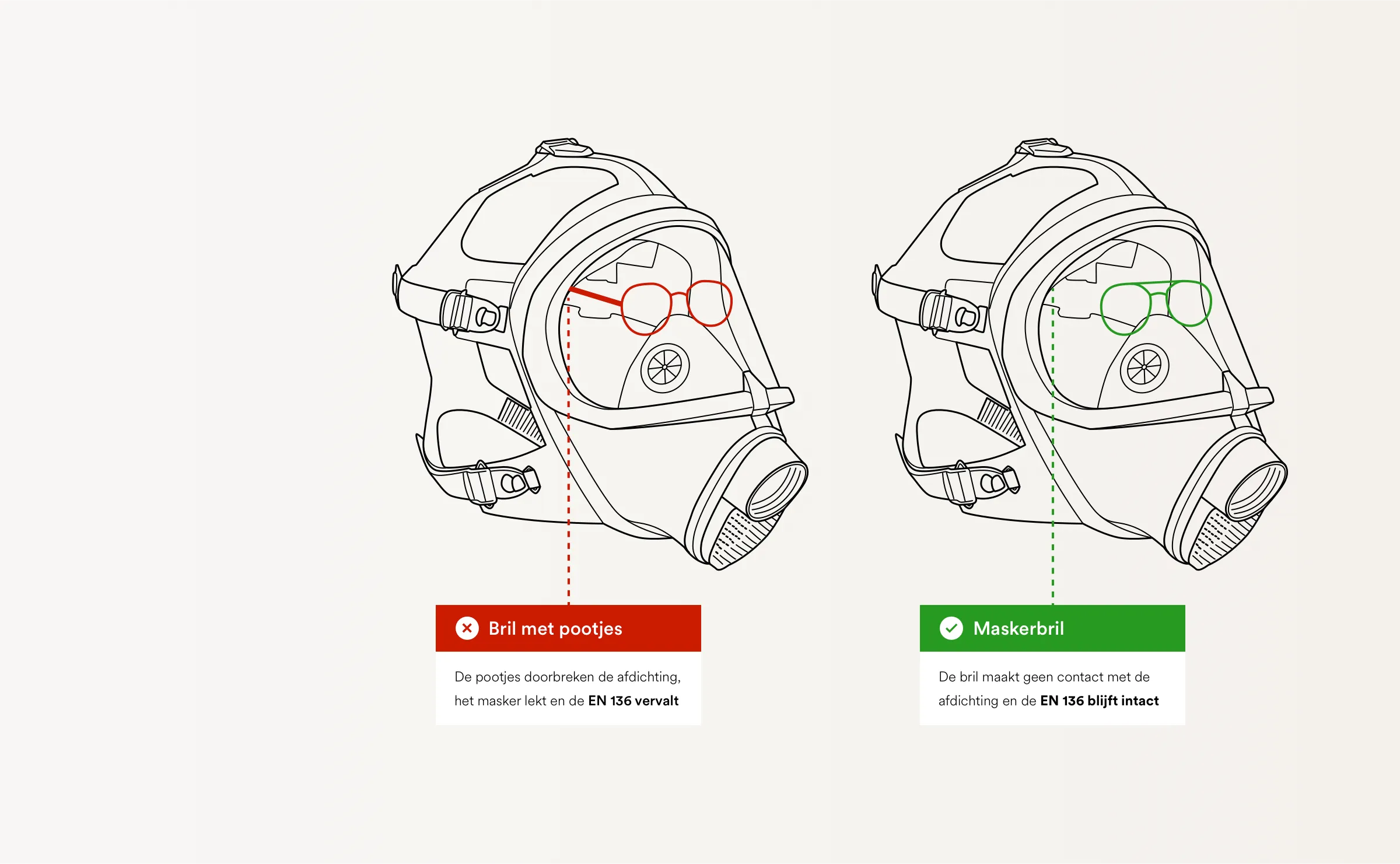
NEN-EN 136:1998 is the European standard for full face masks. This standard sets requirements for the construction, material and density of the mask. A full face mask that complies with this standard has been tested for a complete seal along the entire face.
The standard explicitly states that eyeglass temples disrupt the seal, so certified protection cannot be guaranteed. In that case, correct protection is only possible via an internal eyeglass holder or a mask with integrated optical correction.
Al onze maskerbrillen op sterkte worden geleverd in samenwerking met onze exclusieve partners Dräger en MSA Safety. Dräger en MSA Safety zijn dé internationale leiders op het gebied van volgelaatsmaskers. Onze maskerbrillen zijn dus altijd van de hoogste kwaliteit. Momenteel bieden we de onderstaande maskerbrillen op sterkte aan.

The Working Conditions Act requires employers to provide employees with PPE that function correctly and are appropriate to the risks of the workplace. A full face mask that does not close properly is therefore not sufficient.
The employer is therefore always responsible for an appropriate solution, not the employee himself. In that case, prescription mask glasses are the correct technical implementation of this obligation.
Ademluchtmaskers worden in veel verschillende sectoren gedragen, van de brandweer tot laboratoria. Wat al deze omgevingen gemeen hebben is dat een slecht passend masker direct gevaar oplevert. Voor medewerkers die een bril dragen is een maskerbril op sterkte daarom geen luxe maar een noodzaak. Seeh levert maskerbrillen voor uiteenlopende branches en zorgt dat elke medewerker, ongeacht zijn of haar sterkte, altijd optimaal beschermd aan het werk kan.

Firefighters work in life-threatening environments where their full face masks must function flawlessly. Prescription mask goggles ensure that there is no leak and that no smoke or other harmful substances can enter.

In the chemical industry, employees work with toxic gases, vapors and corrosive substances every day. Prescription mask glasses ensure that the protection remains complete and that the employee can work without restrictions.

In laboratories, researchers and technicians regularly work with dangerous substances, where a full face mask offers mandatory protection. Prescription mask goggles provide clear vision without compromising protection.

The price of prescription mask goggles is always on request. This is because it involves customization. Want to know more about prices? Don't hesitate to contact us. Our specialists are here to answer all your questions and provide you with the information you need.

No. Even the thinnest legs of regular glasses disrupt the seal, causing the full face mask to leak and thus no longer comply with the EN 136 standard.
Seeh supplies mask goggles that are compatible with Dräger and MSA Safety masks. Do you want to know if we have mask goggles for your full face masks? Then take contact meet one of our specialists. They are happy to help you out.
Yes. The Working Conditions Act requires employers to provide employees with PPE that actually offer protection. A mask that leaks due to ill-fitting glasses is not sufficient. The employer is therefore responsible for offering an appropriate solution such as prescription mask goggles.
Contact lenses are not recommended or prohibited in many hazardous environments. This is because when exposed to chemical vapors or gases, lenses can make irritation worse.







.svg)