3
mins

Many employees think that there is a fixed amount for screen glasses. That is not true. In this article, we explain how it works, and why the misunderstanding persists.


No, there is no legal minimum amount and no maximum amount for reimbursement of a monitor goggles.
The law requires employers to reimburse screen glasses if they are medically necessary. That's in black and white Working conditions decision article 5.11. The amount involved depends on the employee's situation. The costs must be fully reimbursed. So there is no threshold or ceiling.
Only if regular glasses are not sufficient for work, the employer must fully reimburse screen glasses.
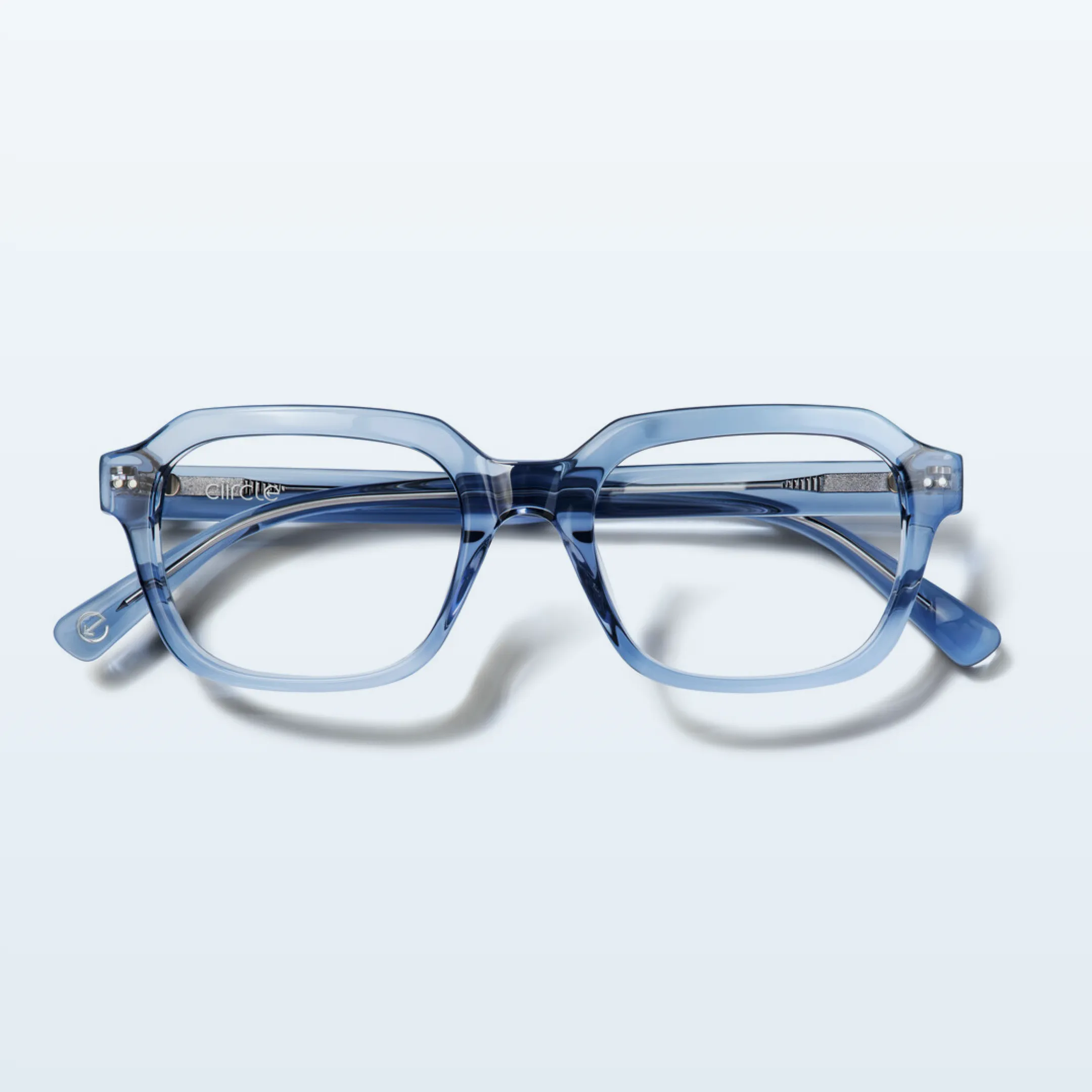
The glasses must be specially designed for working on a monitor. Standard glasses for far or near are then not sufficient. According to the Working Conditions Act, as an employer, you must offer an eye exam before the start of screen work or in case of complaints. Does that research show that screen glasses are necessary? Then the allowance is mandatory. And completely.
The employee may therefore never contribute to the basic provision. Not through a personal contribution, not through a cafeteria scheme and not through a salary exchange.
Collective agreements often mention guideline amounts, but these are not allowed to limit the law. Many collective agreements or staff regulations mention amounts such as €100, €250 or €350. These are intended as guideline, not as a legal ceiling. If an employee demonstrably needs more, the employer must still pay it. Legal obligations always prevail over collective agreements.
VDU glasses are a mandatory health and safety facility. It falls outside the free wage margin and must be fully reimbursed if medically necessary. Agreements in the collective labor agreement cannot undermine a legal obligation.
The employee may pay extra for luxury, but only for the additional cost on top of the necessary basis.
According to the Payroll Taxes Handbook, article 22.1.9, the necessary screen glasses fall under the targeted exemption. But this only applies to the functional part of the facility. If an employee opts for a more expensive frame than medically necessary, those extra costs may not be reimbursed tax-free.
In short: the employer pays for what is necessary. The employee can make up his own mind for what he finds nicer or more luxurious.

Yes, screen glasses are tax deductible under certain conditions.
The glasses fall under the targeted exemption within the work costs scheme. This exemption only applies if:
Are these conditions met? Then the glasses may be reimbursed, provided or made available untaxed. Read exactly how it works with the fees for screen glasses.
Most monitor glasses cost between €250 and €750, depending on strength, coatings and frame.
As an employer, it is important to opt for quality. Cheap glasses are often less durable or not optimally tailored to work. Seeh therefore advises companies in choosing suitable glasses and helps to set up a good arrangement. See how to choose the right prescription monitor glasses here.
Start with a clear policy and work with a reliable partner.
In any case, a good arrangement includes:
Seeh helps you draw up a customized policy. Download our free white paper”In 5 steps to good screen glasses control'or take contact contact us for advice.

Article by
With more than 20 years of experience, Seeh is your partner in eye and hearing protection. Together with Hans Anders, we easily help companies in the Netherlands and Belgium find customized eye and hearing protection. With our solutions, you ensure that your employees can always work safely and comfortably.
Deel dit artikel met je collega's


.svg)