5
mins

Wearing safety glasses is mandatory in many workplaces, and yet they are still too often not worn. The reason for this is seldom unwillingness, but more often the sum of ambiguity, discomfort and lack of communication. If you want employees to wear their glasses, you need to understand what is holding them back, and what actually motivates them to put them on.


People don't just wear safety glasses because they have to. They want to understand why it's necessary. If the added value is not felt, the glasses are quickly seen as an obstacle. Especially when the message is delivered as an obligation: “You have to wear this.” This raises resistance. The Reactance Theory describes this aptly: as soon as people feel that their autonomy is being limited, the chance of resistance increases.
So it helps not to impose, but to involve. Taking employees seriously in the selection process makes a world of difference. What you choose together, you wear with more conviction.
Another important factor is the type of glasses that are prescribed. If this does not match the risks of the workplace, the protective capacity will decrease drastically. An open model in an environment with a lot of dust or chemical fumes? Then the damage can still occur.
Also, the fit of the frames plays a major role. Glasses that don't fit, pinch or rub properly quickly disappear into a jacket pocket. No face is the same, so one model for everyone doesn't work. Comfort and functionality must go hand in hand.
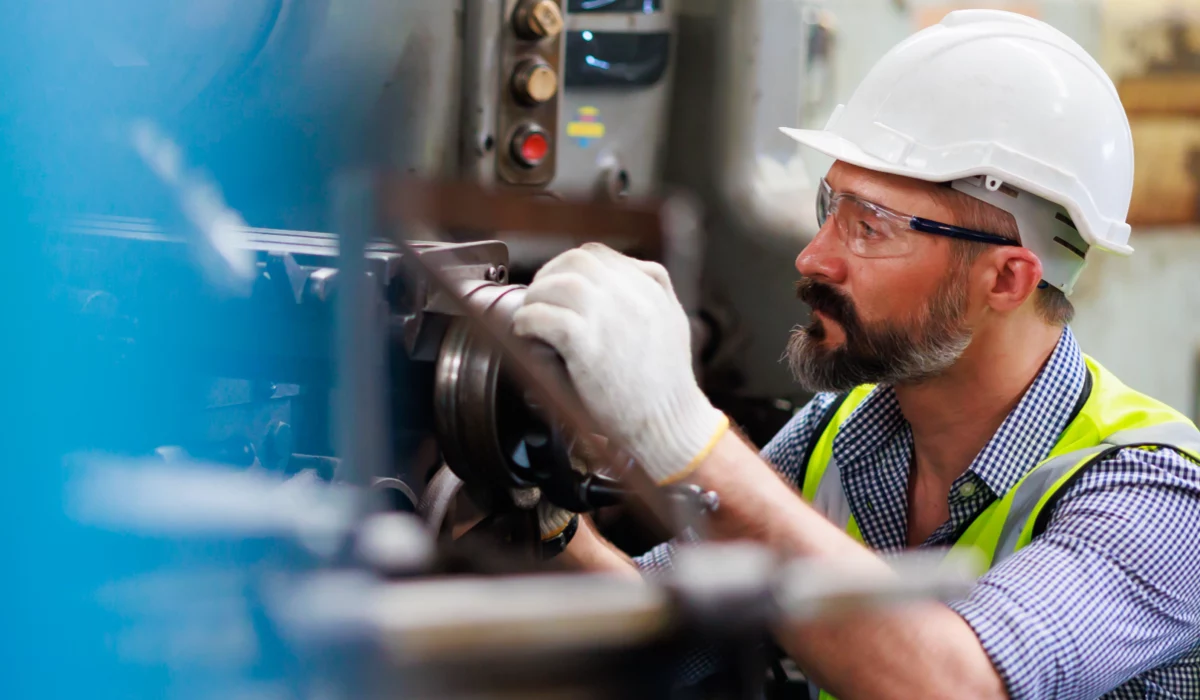
For employees who wear prescription glasses, standard safety glasses are often not sufficient. It is often not worn because it is uncomfortable, foggy or not beautiful. Wearable glasses are awkward, uncomfortable and restrict vision. This not only increases irritation, but also the risk of accidents.
By investing in prescription safety glasses you give this group of employees the opportunity to work safely and comfortably. It contributes directly to wear acceptance and to the quality of the work.
People only really wear prescription goggles if they feel like their own.
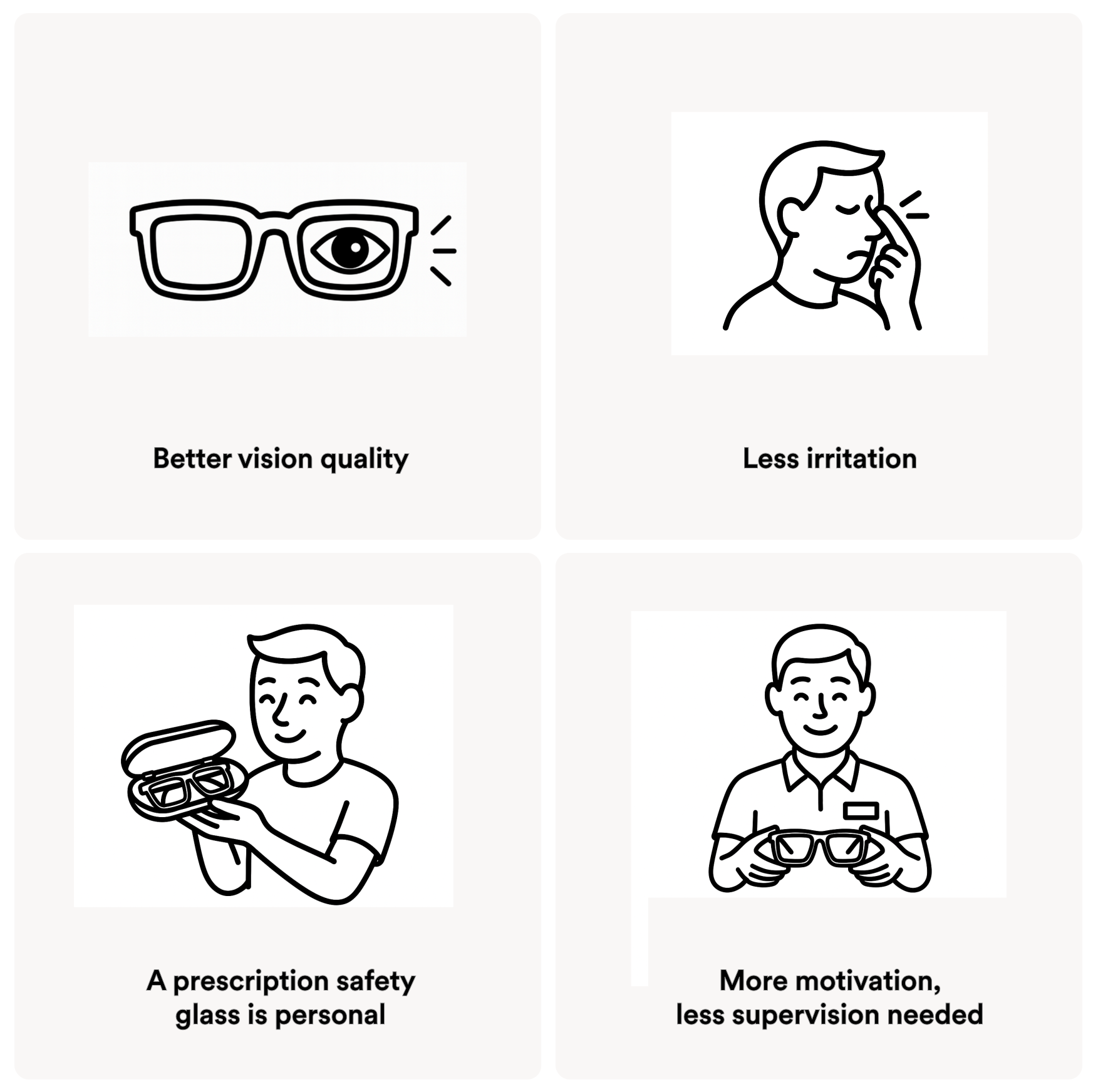
Prescription safety glasses are not only functional, they feel like 'your' own 'glasses.
The best glasses are useless if they are damaged, dirty, or worn out. Scratches, greasy lenses or a dull coating not only cause poor vision, but also make the glasses less safe. And glasses that irritate or provide poor vision quickly lead to the glasses being taken off. But the moment an employee takes off the glasses, all protection is immediately gone.
Therefore, make clear agreements about upkeep one replacement. How often can employees request a new pair of glasses? What happens in the event of damage? Well-maintained glasses not only fit better, they also work better. The wearing comfort is high, the view remains sharp, and employees have less reason to take it off. Good maintenance and timely replacement ensure that employees continue to wear the glasses.
Of course, not everyone needs prescription safety glasses. But that does not mean that choosing safety glasses is less important. On the contrary. Non-strength safety glasses must also be comfortable, fit well and be tailored to the risks of the workplace. Glasses that pinch, fog up or irritate are often removed. And as soon as the glasses come off, the protection also disappears.
Many employees see standard safety glasses as something “must”, not something made for them. And that's where the difference lies. By choosing a model that fits the head shape, is lightweight and offers clear vision without distortion, the glasses feel much more like their own choice. This not only increases wearing comfort, but also commitment to safety.
Personal protective equipment only works if it is part of a wider safety culture. Glasses alone do not make work safer. It's about attitude, communication and joint responsibility.
When managers lead by example, when colleagues speak to each other, and when employees feel heard, there is a growing chance that those glasses will not disappear into their pockets but will simply be worn.
Safety glasses only really protect when people want to wear them. You don't change behavior in a week. Start with the right model, but especially with the right conversation. Show why those glasses matter. Share a story of a colleague who was once injured by not wearing eye protection. Ensure engagement, clarity and comfort, and acceptance will follow.

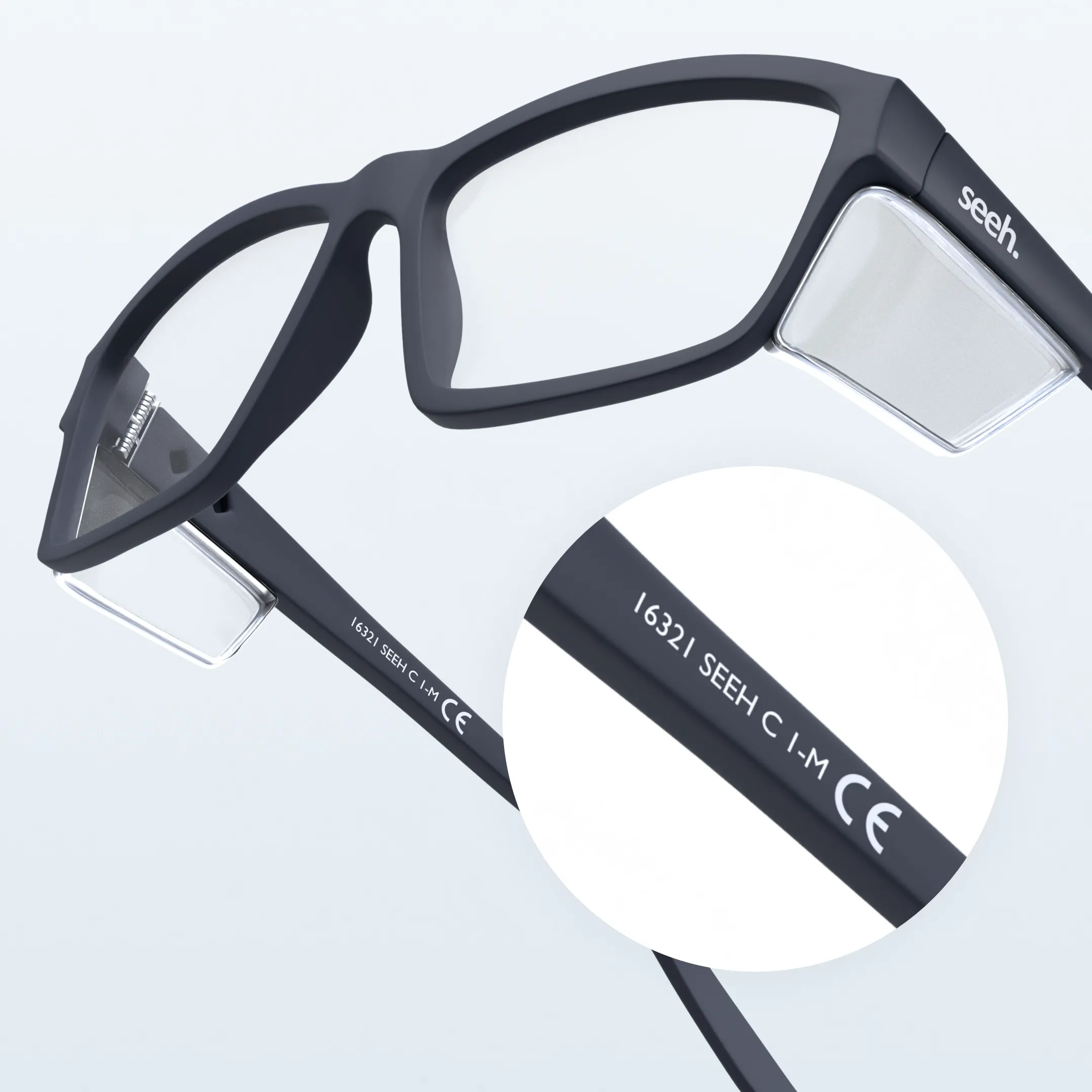
Prescription safety glasses combine protection with vision correction. It replaces regular glasses and does not have to be worn over existing glasses. Prescription safety glasses are custom-made and feel like 'normal' glasses, so employees wear them faster and longer.
Even without strength, good safety glasses are very important. Glasses that fit well to the head shape, are lightweight and do not fog up are worn much more often. Many standard models pinch, slide or irritate, causing them to fall off. With a comfortable fit and a clear view, you immediately increase wear acceptance, even among employees who do not need correction of their vision.
Employees see better, have fewer headaches or eye fatigue, and are more motivated to wear the glasses. Because they are their own glasses, they use them more carefully. You reduce the risk of accidents and increase productivity.
Article by
With more than 20 years of experience, Seeh is your partner in eye and hearing protection. Together with Hans Anders, we easily help companies in the Netherlands and Belgium find customized eye and hearing protection. With our solutions, you ensure that your employees can always work safely and comfortably.
Deel dit artikel met je collega's


.svg)