4
mins
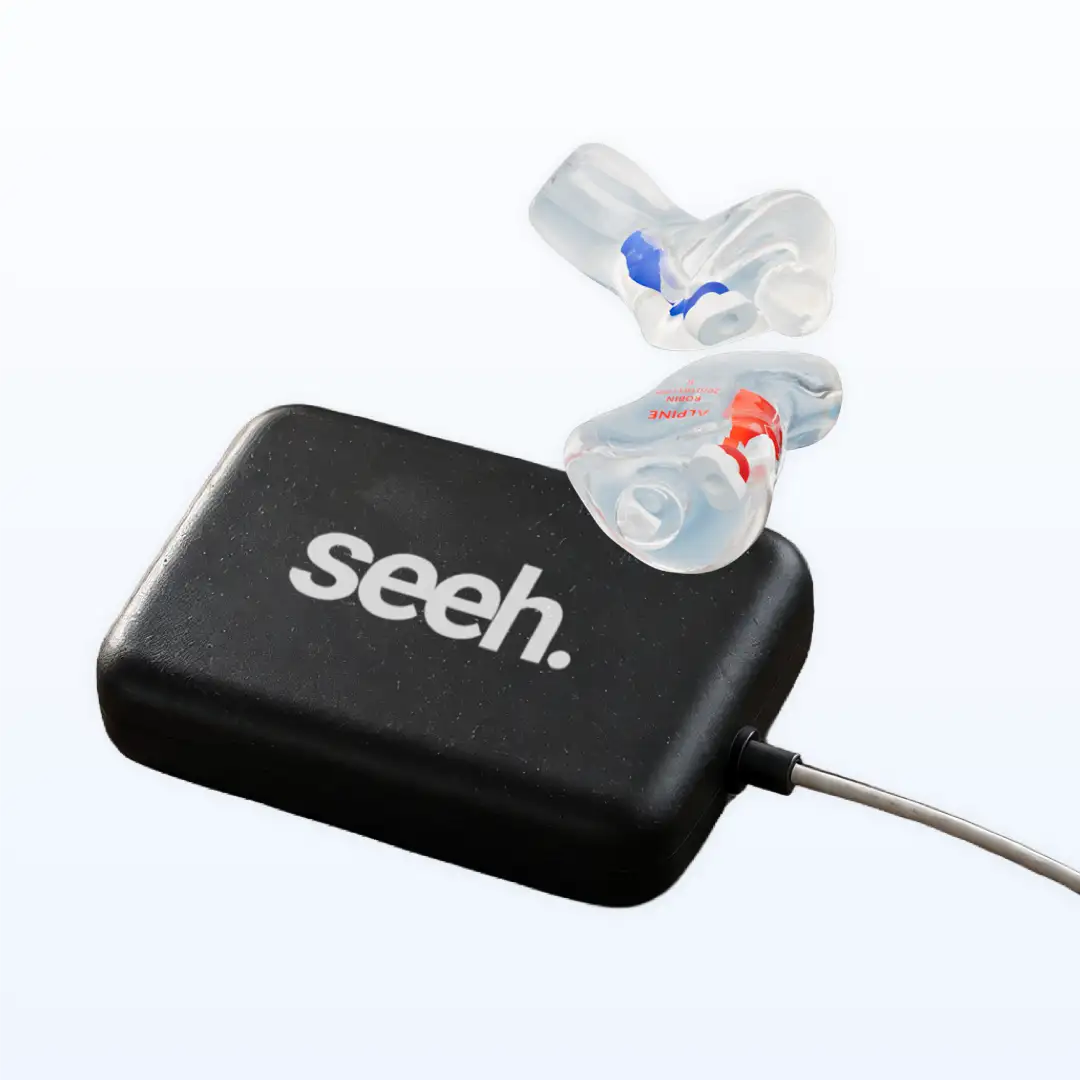
Custom-molded earplugs provide your employees with a reliable form of protection against harmful noise. However, even perfectly fitted earplugs lose their seal over time, which can cause sound to 'leak' past them. This is why a leak test for earplugs is essential. In this article, you will learn what a leak test is, when to have one performed, and what the employer's responsibilities are.


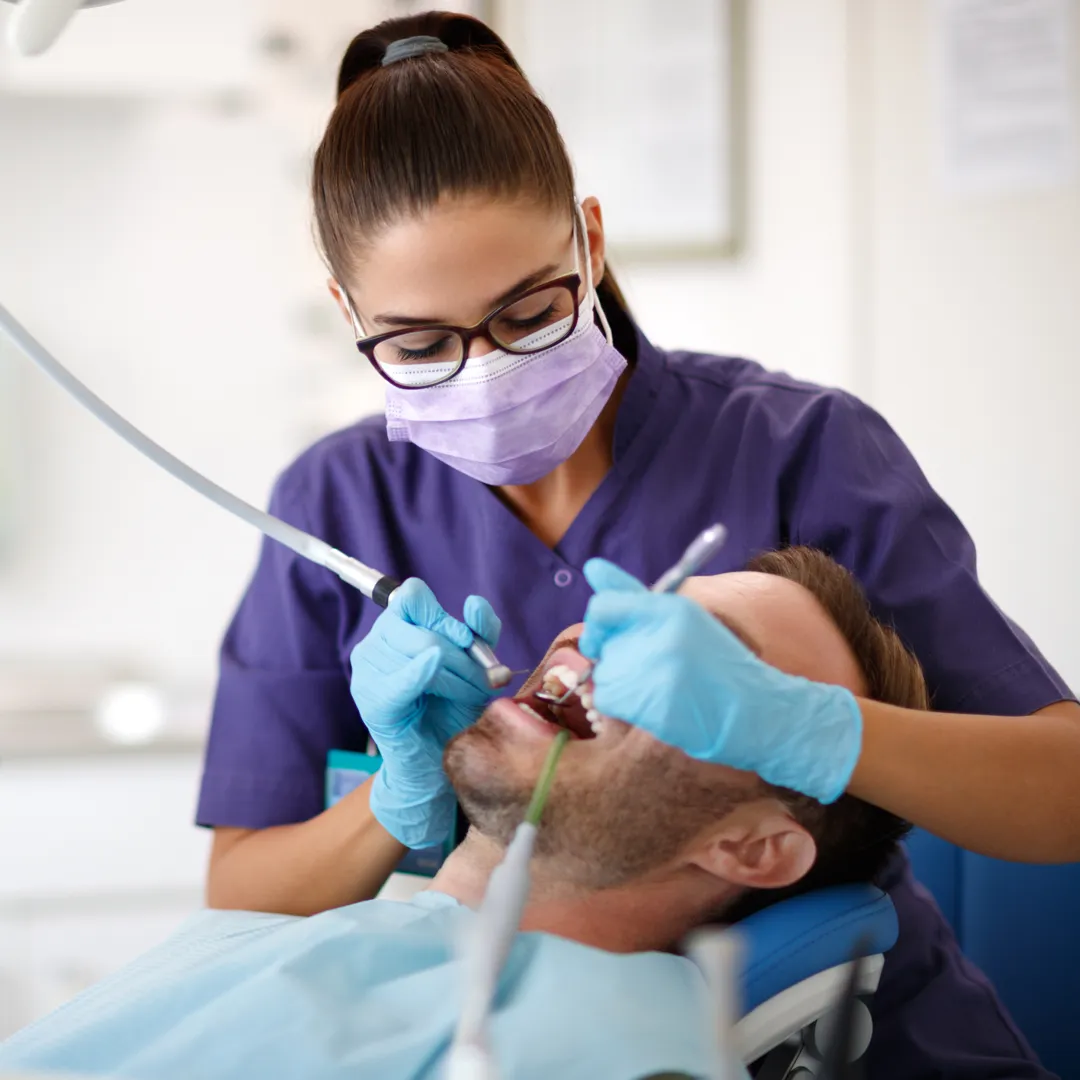
A leak test is a check that determines whether an earplug still fits properly in the wearer's ear canal. The leak test process is quick and efficient. The audiologist first cleans the earplug to ensure an accurate measurement. Next, the audiologist connects a small air tube to the earplug to build up slight pressure in the ear canal. If the pressure remains stable, the earplug provides a proper seal. If the pressure drops, there is a leak, and the earplug is not functioning optimally. Within a few minutes, it is clear whether the hearing protection is still working correctly.
Earplugs are custom-made and therefore fit the ear canal perfectly at the time of fitting. However, the problem is that the wearer's ears can change over time. Aging, weight changes, temperature fluctuations, and minor ear injuries can cause the shape of the ear to deviate from the original fit over time.
This usually happens unnoticed, which makes the risk even greater. The wearer of the earplugs feels safe, while the protection has actually decreased. This false sense of security is at least as risky as having no hearing protection at all, because it keeps people in a harmful situation longer than they realize.
The Dutch government emphasizes that early-stage hearing damage is not always noticeable, but it is irreversible and has a lifelong impact. Even a small leak can lead to permanent hearing loss over time. A leak test is the only way to detect that risk in time.
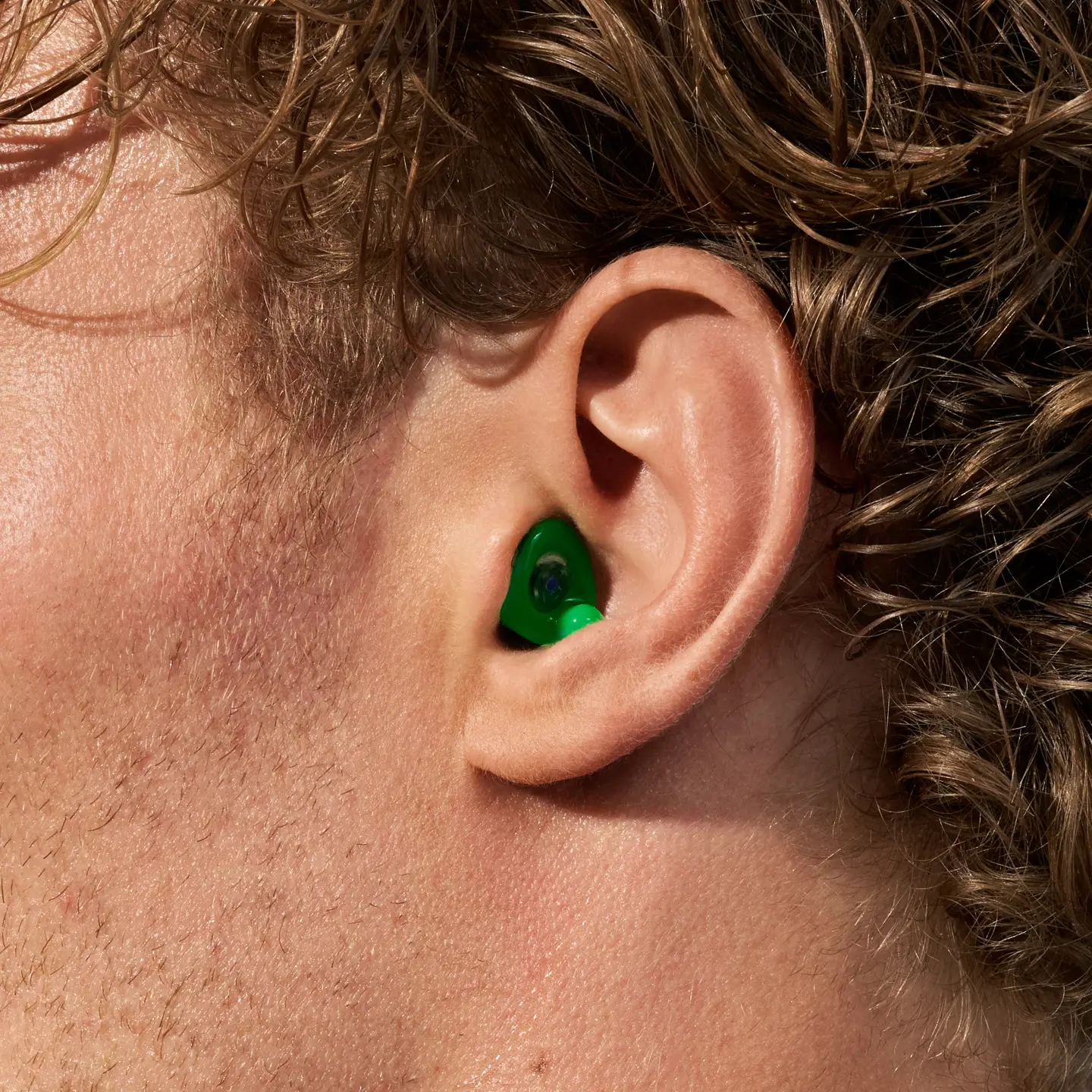
Schedule an appointment right away for on-site leak testing or a visit to a Hans Anders hearing care professional near you.
We recommend performing a leak test at least once a year. This aligns with the average lifespan of an earplug of two to four years and the natural changes in the ear. Moreover, this is part of your legal duty of care as an employer.
Even between annual checks, there are signs that call for an earlier test. Think of an earplug that is less comfortable than before, visible cracks, or an employee who notices more ambient noise than usual. In these cases, do not wait for the next scheduled leak test, but get in touch contact with us immediately.
The Working Conditions Act requires you as an employer to actively limit the risks of hearing damage. This means not only providing personal protective equipment but also checking that it is still functioning properly. Even the best earplugs lose their effectiveness as the shape of the ear changes.
That is why we advise performing an annual leak test. This way, you fulfill your duty of care and demonstrate that you are structurally committed to prevention. Annual testing means a demonstrable policy and less risk of liability in the event of personal injury or inspection.
If you order your earplugs from Seeh, you can see exactly in our portal which employees have been tested on time and who is due for a check-up or new earplugs soon. With the push of a button, you can start a request for a leak test. This can be done at a Hans Anders store or simply at your own location.
Not a Seeh customer yet? No problem. Simply create a business account and schedule a leak test. We can also perform leak tests on custom earplugs from other brands. This way, you keep what still works and test what needs to be tested.

This creates the risk that your employee is wearing hearing protection that no longer provides full protection, without it being visible. Hearing damage often occurs gradually and is irreversible once it has occurred.
Yes. A leak test is separate from replacement. Custom-molded earplugs from other suppliers can also be tested at Seeh.
No. Only slight pressure is built up in the ear canal. Most employees find the test completely comfortable, and it only takes a few minutes.
Article by
With more than 20 years of experience, Seeh is your partner in eye and hearing protection. Together with Hans Anders, we easily help companies in the Netherlands and Belgium find customized eye and hearing protection. With our solutions, you ensure that your employees can always work safely and comfortably.
Deel dit artikel met je collega's


.svg)