3
mins
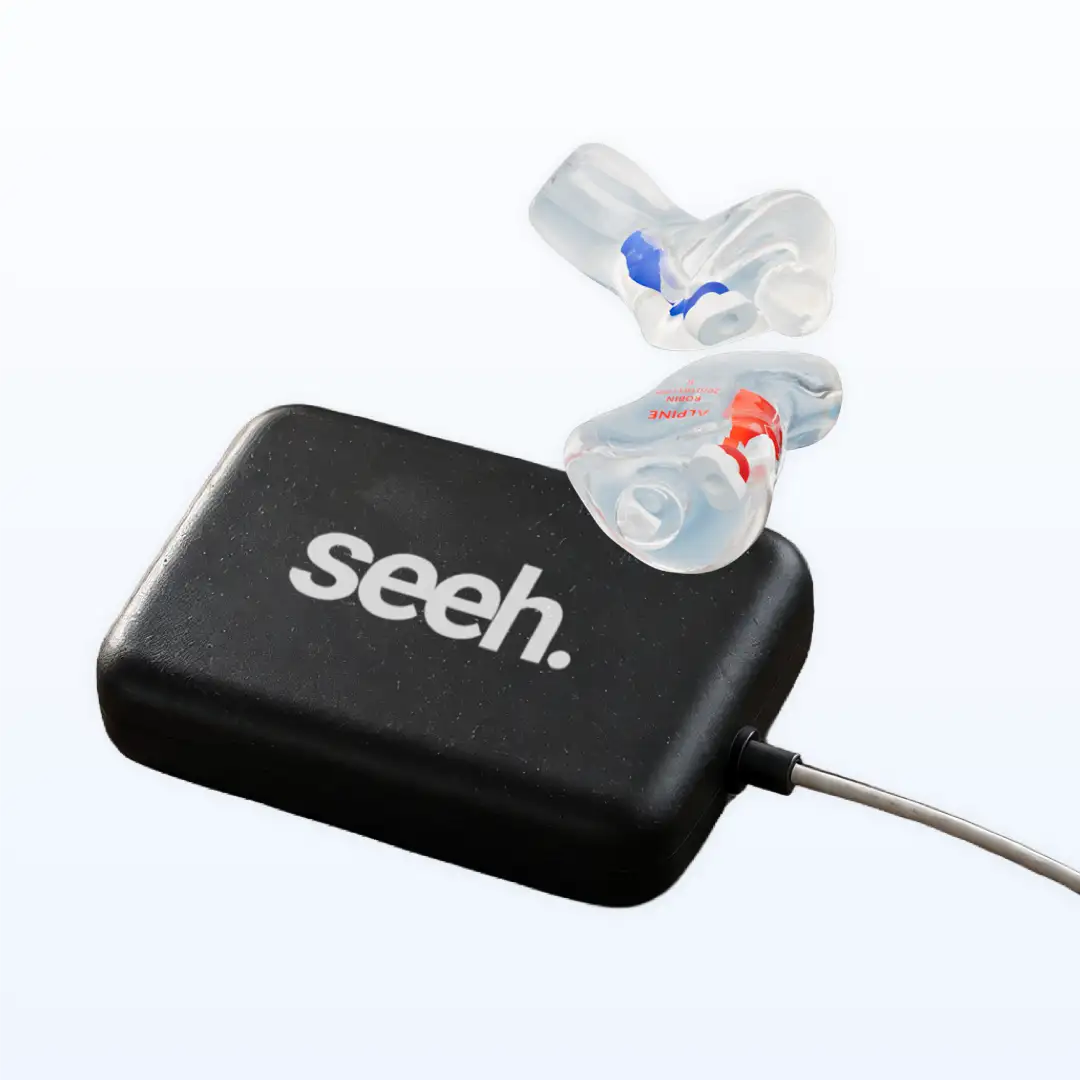
For dentists, dental hygienists, and assistants, we always recommend custom-made earplugs. Specifically, we suggest Alpine WorkSafe combined with a light filter (24 dB). These earplugs dampen the harmful noise from drills and other equipment while ensuring that your colleagues and patients remain clearly audible. In this article, you will read why custom hearing protection is a smart choice for your practice, what the Working Conditions Act says about it, and which version is right for you.


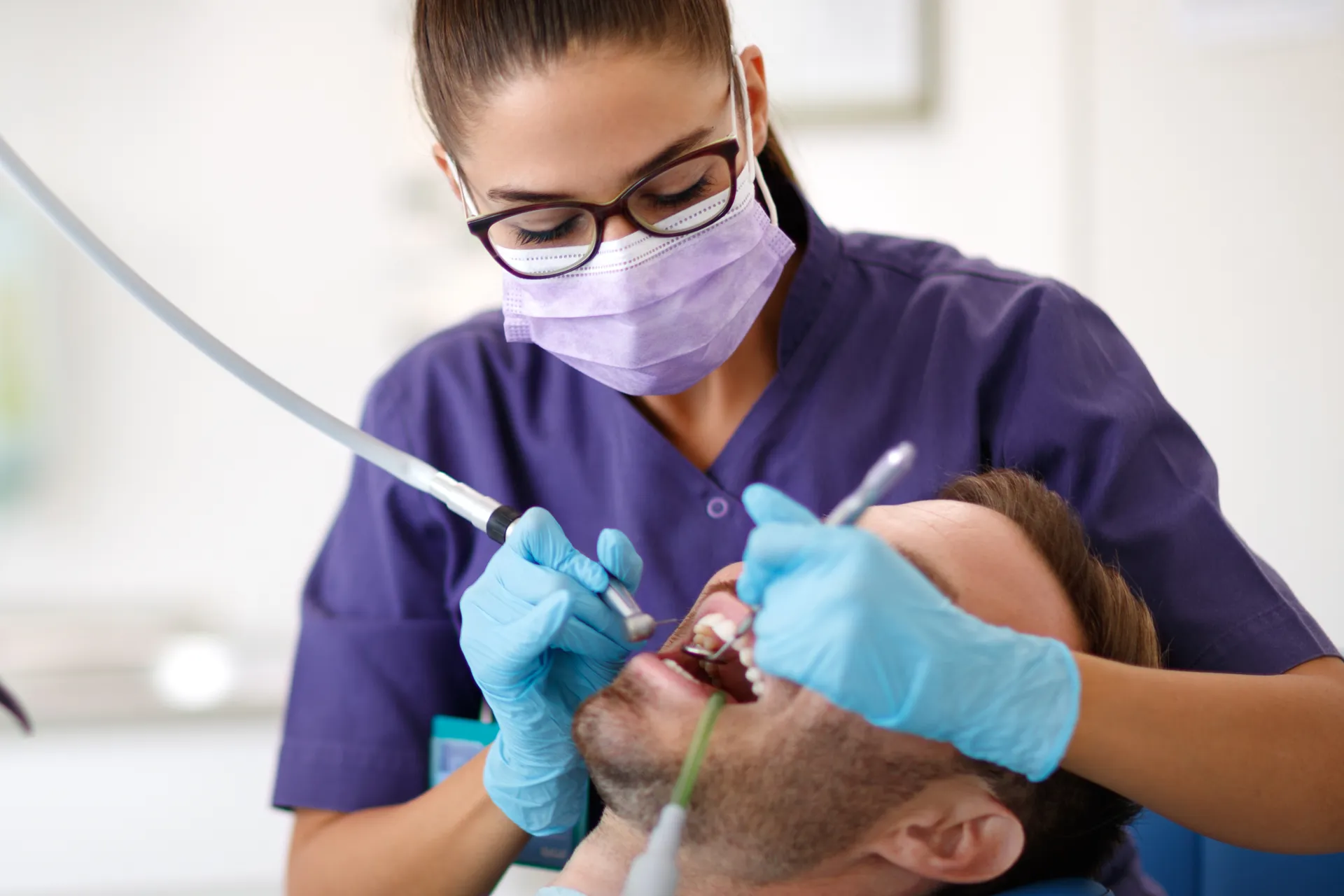
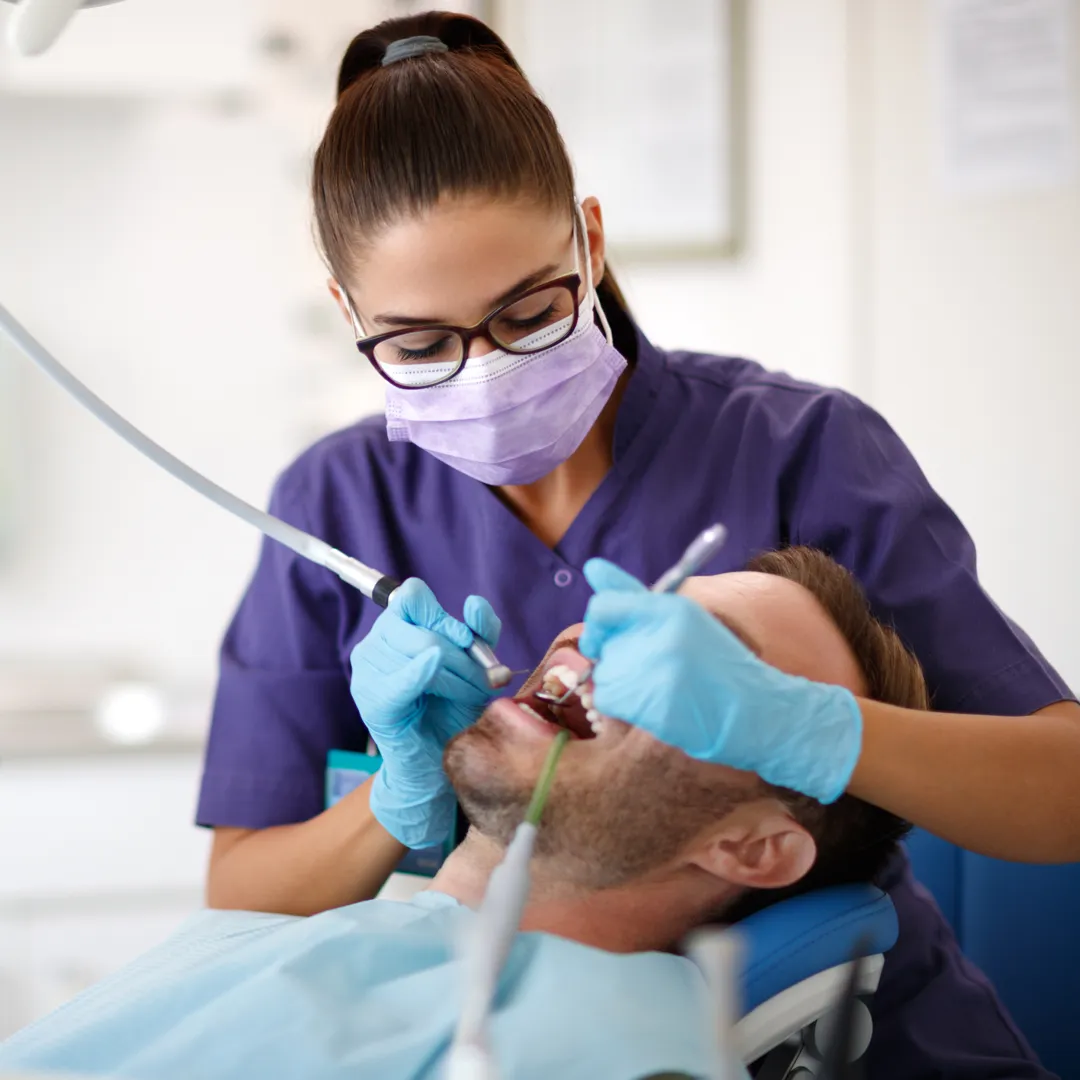
In a dental practice, the risk of hearing damage is real. The drill, the suction, and other equipment together create more noise than you might think. Measurements in dental practices show sound levels ranging from 70 to 92 decibels, depending on the equipment and the procedure.
Research by the Academic Centre for Dentistry Amsterdam (ACTA) highlights this risk. The profession is at an increased risk of noise-induced hearing loss due to the frequent and prolonged use of instruments. Long-term exposure to noise above 80 decibels can damage your hearing. The higher the level, the shorter the time your hearing can safely tolerate it. At 85 decibels, damage occurs faster than at 80 decibels.
The Working Conditions Decree sets two limits for noise based on average daily exposure. At a daily average of 80 decibels or more, the employer must provide hearing protection and information about the risks. From 85 decibels, wearing hearing protection is mandatory, and the employer must take additional measures to limit exposure.
Whether that limit is reached in your practice depends on the measurements. That is why it always starts with a proper risk assessment and evaluation (RI&E) that includes a noise measurement. Are you a practice owner? Then you bear that responsibility for your team and for yourself.
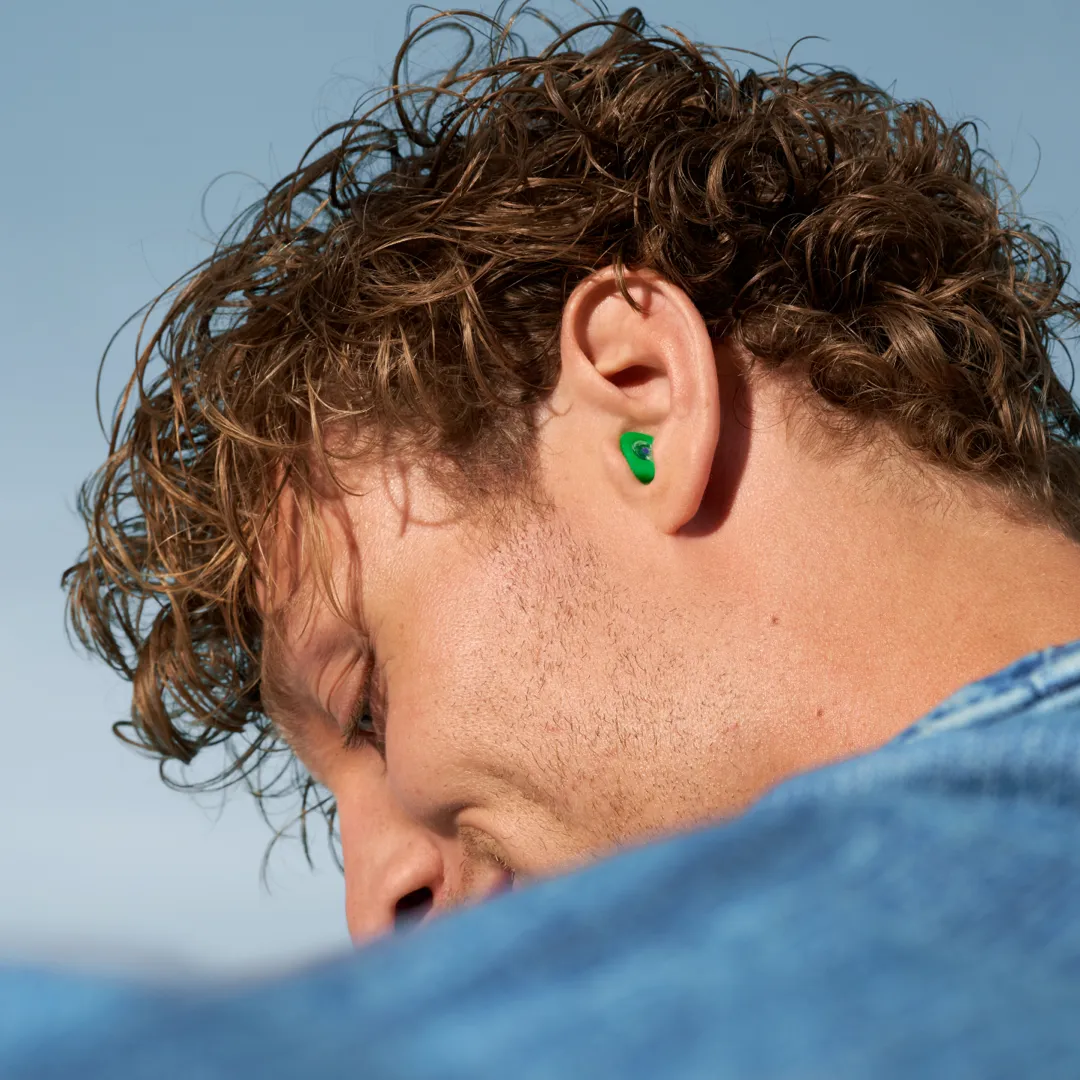
Standard disposable earplugs dampen sound flatly across the board, including speech. As a dentist, you need to reassure your patient, understand your colleagues, and notice subtle changes in the sound of the drill. Earplugs that make everything sound muffled get in the way of that. Then there is the issue of comfort. Standard earplugs become uncomfortable after a few hours and start to shift. Custom-made earplugs solve both problems. They stay in place all day, and with the right filter, they dampen exactly what is necessary.
In the dental sector, we almost always recommend custom earplugs with a 24 dB filter. This light filter removes the sharp, high-pitched peaks of, for example, the dental drill. This is precisely the sound that puts the most strain on your hearing. Because this filter only dampens slightly, there is enough sound left to easily understand your patient and your colleagues.
You remove the harmful sharpness from the noise without cutting yourself off from the conversation in the treatment room. Sound levels in a practice are not extreme, so heavier dampening is rarely needed. Does a noise measurement show higher exposure after all? Then you can easily switch to a heavier 25 or 29 dB filter.
Would you like to know which hearing protection suits your practice? We are happy to help you, from choosing the right filter to fitting them on-site. Contact us for personal advice or schedule a fitting appointment. This way, you can be sure that you and your team are well-protected while you work.

Yes. That is exactly the advantage of a filter. It dampens the harmful peaks from the drill and scaler while letting speech pass through for the most part. This way, you protect your hearing without compromising communication in the treatment room.
It often starts with difficulty understanding speech in a noisy room, a ringing or buzzing in your ears (tinnitus), or the feeling that you are constantly turning up the volume on the television. Because it happens gradually, those around you may notice it before you do.
No. Noise-induced hearing loss is permanent. While your hearing may sometimes recover after occasional exposure, that chance disappears with repeated exposure. Prevention is therefore the only real solution.
Article by
With more than 20 years of experience, Seeh is your partner in eye and hearing protection. Together with Hans Anders, we easily help companies in the Netherlands and Belgium find customized eye and hearing protection. With our solutions, you ensure that your employees can always work safely and comfortably.
Deel dit artikel met je collega's


.svg)