6
mins
Out research it appears that 44% of Dutch employees do 6 hours or more of screen work every day. Working behind a screen for a long time increases the risk of arm, neck and shoulder complaints (KANS). These complaints can negatively affect work comfort and productivity.
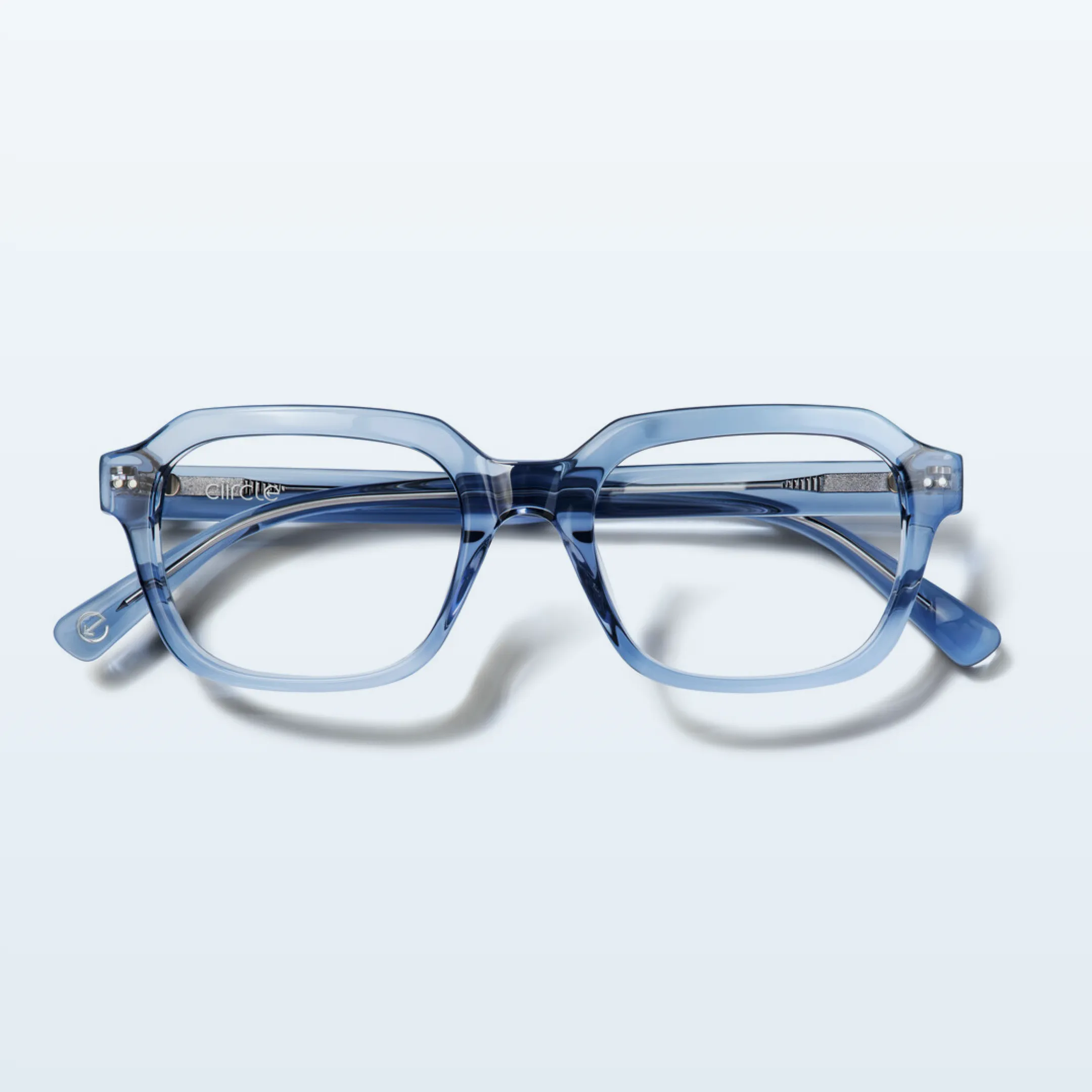
One prescription screen glasses can offer a solution. In this article, you'll discover who screen glasses are suitable for, what complaints they can alleviate and what the benefits are for you and your colleagues.


The first signs that your eyes are having trouble working at the screen for long periods of time are often not immediate vision problems. Rather, these are subtle complaints such as:
These symptoms occur because your eyes have to constantly adapt to different distances, for example from the screen to papers on your desk or colleagues around you. The combination of an unnatural working position and prolonged focus on a screen worsens these symptoms.
Screen glasses, also known as computer glasses, are valuable for anyone who works intensively with screens. Employees who spend several hours a day in front of a screen, such as office workers, are at increased risk of symptoms such as eye fatigue, headache and neck pain. Even if someone spends less than 6 hours a day in front of a screen, screen glasses can help prevent eye strain and poor posture at work.
Screen glasses help prevent these symptoms by optimizing the view at the typical screen distance (usually between 50 and 60 cm). Even with shorter working hours, this can make a big difference in preventing symptoms of digital eye strain, such as blurred vision and eye fatigue.
Although complaints such as presbyopia (long-sightedness) often only start at the age of 40, younger people can also suffer from eye problems due to prolonged screen use. Anyone over the age of 25 who works intensively with a computer may notice that their eyes don't focus as well at short distances after a while.
Younger employees are increasingly experiencing complaints by looking at screens for a long time. Especially when they don't take breaks or their workplace isn't optimally organized. In these cases, screen glasses offer a solution.
Some people regularly switch between different distances while working, such as a screen, documents, and colleagues. In these cases, multifocal screen glasses can make a big difference. The glasses offer smooth transitions between different viewing areas, so that the eyes can switch comfortably between near and further away without the annoying side effects of reading glasses.
Working at the screen can lead to light sensitivity, especially when you're sitting in front of a screen for long periods of time during the day. Screen glasses can be equipped with an anti-reflective coating or a blue filter to protect the eyes from intense radiation from screens. Although blue light filters are an optional addition, they can be useful for people who have additional problems with tired or sensitive eyes.
If you regularly experience eye fatigue, headaches, or a stiff neck after a day of work behind a screen, it's a good idea to get an eye exam. These symptoms indicate that your eyes have trouble focusing at the distance of the screen for a long time.
No, reading glasses are usually not sufficient for computer work. This is because reading glasses are designed for shorter distances, such as when reading a book. Screen glasses, on the other hand, are optimized for the specific distance between your eyes and the screen, usually between 50 and 60 cm. A clear difference between reading glasses and screen glasses so.
Multifocal glasses are designed to focus at different distances (near, middle, and far), but are often less comfortable for intensive computer use. Monitor glasses offer smooth transitions between short and medium distances, making them ideal for people who sit at a computer for long periods of time.
You can do a quick and easy online test do it to find out if screen glasses are right for you. Answer a few questions about your screen habits and symptoms, and get personalized advice.
Do you notice that you are getting tired eyes or do you just want to work more comfortably? Screen glasses are designed specifically for computer workers and can make just that difference. Do you still have unanswered questions? Then get in touch with us. Our specialists are available every working day to answer all your questions about working on a monitor.

Article by
With more than 20 years of experience, Seeh is your partner in eye and hearing protection. Together with Hans Anders, we easily help companies in the Netherlands and Belgium find customized eye and hearing protection. With our solutions, you ensure that your employees can always work safely and comfortably.
Deel dit artikel met je collega's


.svg)