2
mins

In some workplaces, noise is unavoidable. Think of a metal workshop, demolition site, airport, or heavy industry. Sound levels there can easily exceed 100 decibels. But which hearing protection is still sufficient?
At 105 dB(A), the risk of hearing damage is extremely high. Just a few minutes of exposure without protection can cause permanent damage. The question, therefore, is not whether hearing protection is necessary, but which type still provides sufficient protection in this situation.


The noise level of 105 dB (A) corresponds to:
According to the Working Conditions Act 85 dB (A) is already the limit where hearing protection must be worn. 105 dB (A) is therefore far above that. In Belgium A similar limit value applies: from 85 dB (A), wearing hearing protection is mandatory and the employer must take additional measures, such as noise measurements, information and medical follow-up.
Those who work in these noise conditions need structural protection. Not only to comply with the law, but also to keep hearing healthy in the long term.

Not every hearing protector is suitable for such high levels of noise. The attenuation must be sufficient and fit the ears properly. The fit is especially important, because with a poor-fitting protector, sound still comes in.
Suitable options at 105 dB are:
For these types of noise levels, a combination of hearing protectors is often chosen. Think of plugs and covers at the same time. The maximum attenuation is then approximately 35 dB (A). Please note that sound vibrations can also be transmitted via the bone, so complete noise isolation is never achievable.

As an employer, you need to take more precautions when it comes to loud or prolonged noise exposure. This white paper explains what to do and how to do it.
Yes, absolutely. At 105 dB (A), wearing hearing protection is required by law. In addition, employers must take additional measures to limit exposure as much as possible.
Examples include sound-insulating enclosures around noise sources, or adapting working methods, such as using quieter machines or other working methods. Alternating between tasks also helps, so that employees are exposed to noise for less time in a row.
The limit value of 87 dB (A), which includes the effect of hearing protection, must not be exceeded. In an environment with 105 dB (A), the hearing protector must therefore attenuate at least 18 dB to meet that standard.

Standard hearing protectors can work well, but are dependent on correct placement. In case of long-term use or situations where communication is important, customized hearing protection offers more security.
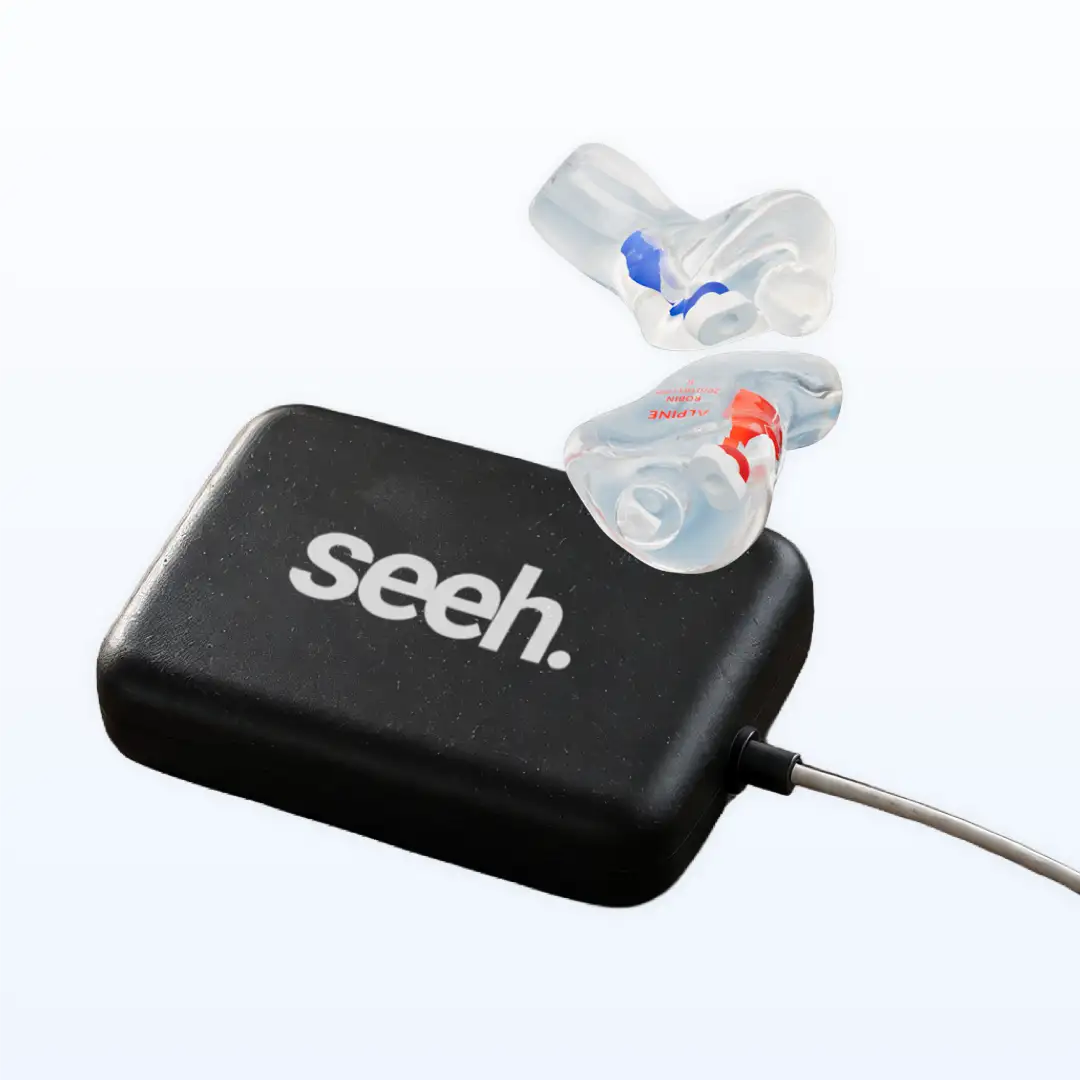
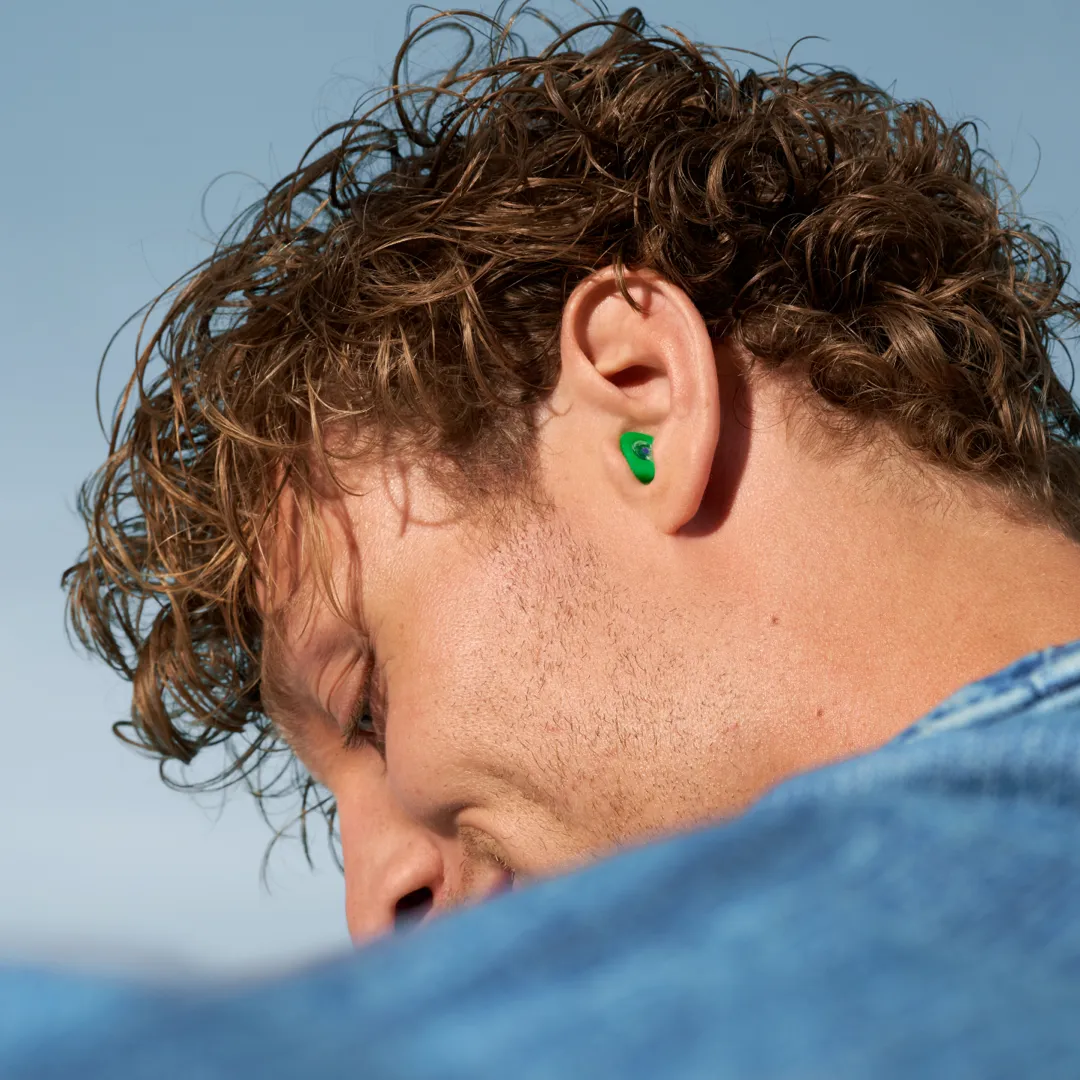
These custom-made earplugs fit the ear canal perfectly. They stay in place better, offer stable damping and are often more comfortable to use. In addition, it is possible to choose filters that do let voice and signals through.
For those working in an environment with 105 dB (A), this is often the most secure and workable solution.

Article by
With more than 20 years of experience, Seeh is your partner in eye and hearing protection. Together with Hans Anders, we easily help companies in the Netherlands and Belgium find customized eye and hearing protection. With our solutions, you ensure that your employees can always work safely and comfortably.
Deel dit artikel met je collega's


.svg)